


Blog
How Can You Tell If Olive Oil Is High Quality? What Should You Look for When Buying?

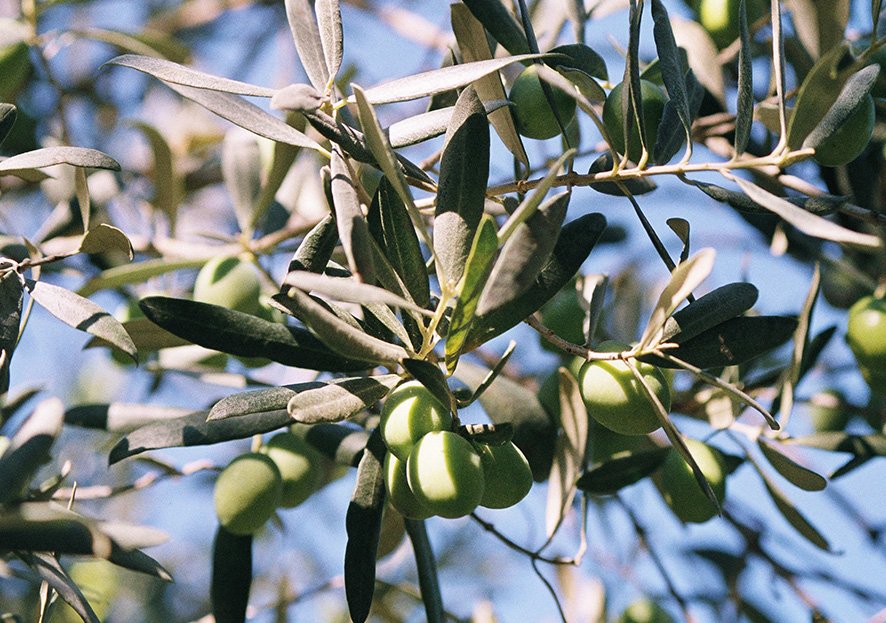
When shopping for olive oil, we can be faced with dozens of different products, packaging types, and terms. Choosing between phrases like “extra virgin,” “cold-pressed,” and “early harvest” can sometimes be confusing.
So, how can you tell if olive oil is high quality?
When evaluating a good olive oil, looking only at its color or price is not enough. Many factors — from the quality of the olives to the production process, from the packaging to storage conditions — can affect the characteristics of olive oil.
1. First, Check the Olive Oil’s Grade
A good starting point when choosing olive oil is examining the product grade stated on the packaging.
One of the most common terms you’ll encounter is extra virgin olive oil. Extra virgin olive oil is the olive oil grade obtained from olives using only mechanical or physical processes, meeting the relevant quality criteria.
There is an important distinction here:
Extra virgin refers to the olive oil’s grade, while cold-pressed refers to a production method carried out under specific conditions.
For this reason, rather than looking only for eye-catching phrases on the product, it is more accurate to evaluate the label information as a whole.
2. The Color of Olive Oil Alone Is Not an Indicator of Quality
One of the most common misconceptions about olive oil is the idea that “dark green olive oil is higher quality.”
In reality, the color of olive oil can range from green to golden yellow depending on the olive variety used, the degree of ripeness, harvest timing, and other factors.
Therefore, deciding whether an olive oil is high or low quality based on color alone is not accurate.
In fact, the use of colored tasting glasses in professional sensory evaluations — specifically to prevent the oil’s color from influencing the assessment — is a good example of this.
3. Be Sure to Examine the Label Information
When choosing a quality product, the information on the back label matters just as much as the large text on the front of the packaging.
Before purchasing, you can check the product’s:
- Olive oil grade,
- Net quantity,
- Producer or food business operator information,
- Recommended consumption date,
- Batch/lot information,
- Storage conditions
and review them.
Choosing packaged products with a clearly identified source and producer, and clearly presented label information, is a safer choice for consumers.
4. Pay Attention to the Packaging
One of olive oil’s biggest enemies is light.
For this reason, packaging that prevents prolonged exposure to intense light is preferable. Dark-colored glass bottles and suitable tin packaging help protect the oil from light.
Leaving olive oil in transparent packaging under direct sunlight for extended periods, in particular, is not advisable.
It is also important that the packaging’s cap closes properly, protecting the product from unnecessary exposure to air.
5. Aroma and Taste Matter
Olive oil has its own distinctive sensory characteristics. The olive variety used, the region where it was grown, the harvest timing, and production conditions can all affect the oil’s character.
For this reason, not every high-quality olive oil should be expected to taste exactly the same.
Some oils may have a more pronounced fruity character, while others may have a milder profile.
What matters here is not judging olive oil based on a single characteristic, such as “is it bitter or not?”
6. Evaluate the Term “Cold-Pressed” Correctly
Cold-pressed, a term we often see on olive oil packaging, is one of the phrases consumers associate with quality.
Cold-pressed refers to processing olive paste using certain methods below 27°C.
However, the important point is this:
A product being labeled “cold-pressed” does not, by itself, indicate all of the olive oil’s quality characteristics.
Factors such as the product’s grade, the quality of the raw material, production conditions, and proper storage should also be taken into account.
For more detailed information about cold-pressing, you can check out our guide, “What Is Cold-Pressed Olive Oil? How Can You Tell?”
Adding an internal link to your first blog post here would be good for SEO.
7. Storage Conditions Also Matter
A high-quality olive oil can lose its characteristics over time if stored under the wrong conditions.
You need to protect your olive oil from:
direct sunlight, high temperatures, and prolonged exposure to air.
For this reason, rather than keeping it right next to the stove or oven in the kitchen, a cooler, darker cabinet may be preferable.
It is also important not to leave the cap open after use.
So What Should We Look for When Choosing a Good Olive Oil?
To sum it up briefly: rather than focusing on a single characteristic when buying olive oil, evaluate the product as a whole.
Check the product’s grade, read the label, pay attention to the packaging, choose products with a clearly identified producer, and store the product properly after purchase.
Rather than simple generalizations like “the greener it is, the better” or “the most expensive olive oil is always the highest quality,” it is more accurate to evaluate the concrete information provided about the product.
Discover Irmak Zeytin Olive Oils
On the olive’s journey to your table, proper storage and packaging matter just as much as proper production.
Explore Irmak Zeytin’s extra virgin olive oil varieties and discover the 1 L glass bottle and 5 L tin options that best suit your needs.
