
Blog
What Is Gemlik Olive? What Are Its Characteristics?

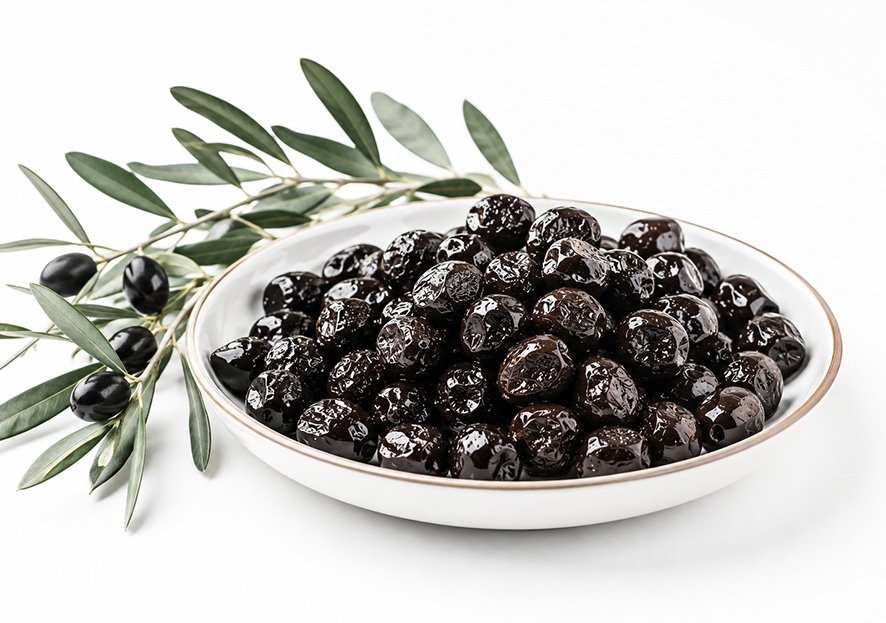
One of the most important regions that comes to mind when it comes to olives in Turkey is Gemlik. Gemlik olive, closely associated with Bursa’s Gemlik district and its surroundings, holds an important place among table olive varieties thanks to its distinctive texture, color, and flavor.
So what exactly is Gemlik olive, how can it be identified, and what are the characteristics that set it apart from other olives?
What Is Gemlik Olive?
Gemlik olive is a variety widely cultivated particularly in and around Bursa. It stands out as one of Turkey’s most well-known varieties in table black olive production.
The climate and growing conditions of the Gemlik region, combined with the area’s long-standing olive-growing culture, have made this olive one of the region’s key agricultural products.
Gemlik olives can be prepared and brought to the table through various processing and fermentation methods.
What Are the Characteristics of Gemlik Olive?
One of the defining characteristics of Gemlik olive is its flesh structure.
Olives that darken in color during the ripening process are generally known for having:
- A fleshy structure,
- A high flesh-to-pit ratio, given the small pit,
- A thin skin,
- A distinctive taste and aroma
However, the size, color, and structure of the olive can vary depending on the harvest period, growing conditions, and the way the product is processed.
Why Is Gemlik Olive So Famous?
In Gemlik, olives are not just an agricultural product — they are also an important part of the region’s culture.
The region’s history in olive cultivation, and particularly its production of table black olives, has led to strong consumer recognition of the “Gemlik olive” name.
The fact that Gemlik olive is protected by a geographical indication is also a significant indicator of the product’s connection to the region.
Is Gemlik Olive Only Black?
When people think of Gemlik olive, most picture the glossy, dark-colored table black olive.
However, the color of an olive is closely tied to its ripening process. As the olive fruit develops, it changes from green to progressively darker tones.
The harvest timing and the processing method applied afterward both influence the characteristics of the final product that reaches the table.
For this reason, when choosing olives, you should look not only at color but also at the variety of the product and the method used to prepare it.
How Is Gemlik Olive Prepared?
An olive picked straight from the branch is not suitable for eating as is. It must go through various processes to become table-ready.
The method used in this process can vary from product to product. Traditional fermentation methods are one important example of this.
The fermentation process plays a role in developing the olive’s distinctive character. Depending on the production method, the salt level, texture, and flavor profile can also vary.
For this reason, it is normal for two different products made from the same olive variety to not taste exactly the same.
What Is the Difference Between Dry-Cured Olives and Gemlik Black Olives?
This is a point that’s often confused.
Gemlik olive refers to a variety of olive, while “dry-cured” refers to a preparation/processing method.
Therefore, these are not two alternative olive varieties to choose between.
Gemlik-variety olives can be processed using different methods. Products prepared using the dry-curing method can also result in a different texture and flavor, depending on the specific processing technique used.
We will cover this topic in more detail in our separate guide, “What Are Dry-Cured Olives? How Are They Made and Stored?”
What Should You Look for When Buying Gemlik Olive?
When buying olives, looking only at the size of the fruit is not enough.
It is important to check the product’s packaging and label information. In particular, you can examine the producer information, net quantity, storage conditions, and other information provided about the product.
You should also take your own palate into account.
Do you prefer a more intensely flavored olive? Do you prefer less salty options? Are you looking for dry-cured olives or the classic table black olive?
Choosing the right olive depends partly on the answers to these questions.
What Does Olive Caliber Mean?
One term you may come across when shopping for olives is caliber.
Caliber is generally a term used to classify olives by fruit size. The caliber values you see on packaging relate to the approximate number of olives per a certain weight.
For this reason, caliber information is especially useful for consumers who prefer larger or smaller-sized olives.
However, an olive being larger does not, by itself, mean it is higher quality. Variety, texture, flavor, processing method, and the product’s overall characteristics should be evaluated together.
How Should Gemlik Olive Be Stored?
To preserve the flavor and texture of the olive, the storage conditions specified on the product’s packaging should be followed.
After opening the packaging, it is important to minimize unnecessary exposure of the product to air, use a clean spoon or serving utensil, and follow the storage conditions specified by the producer.
Consumers sometimes also have questions about the white spots occasionally seen on olives.
Not every instance of whitish appearance directly means mold. Different formations can occur, particularly in products prepared through natural fermentation. However, if there are signs of spoilage such as a fuzzy texture, unusual color changes, or a bad smell, the product should not be consumed.
We will cover this topic in more detail in a separate guide as well.
From Gemlik to Your Table: Irmak Zeytin
Gemlik’s olive culture continues to live on at tables today, through different processing methods and products that cater to different palates.
Explore Irmak Zeytin’s black olives, dry-cured olives, green olives, and other olive varieties to discover the flavor that’s right for your table.
